


Products
Industries
LinkAige
About


By 2026, global ports are no longer defined solely by cargo throughput. They have become integrated logistics hubs that support intermodal logistics, data-driven coordination, and end-to-end supply chain efficiency. As global trade networks grow more complex, ports play an increasingly important role in ensuring reliability and visibility across supply chains.

Photo by Ben Wicks on Unsplash
To meet these demands, ports worldwide are accelerating the adoption of port automation and smart ports technologies. Digital platforms and automated cargo handling systems are improving operational precision and enabling port throughput optimization without disrupting existing workflows. Understanding these future trends in global port operations is now essential for logistics stakeholders navigating evolving regional and global trade dynamics.
As ports take on a more strategic role in global logistics, their impact on supply chains is increasingly shaped by how efficiently they adopt and scale new operating models. In 2026, improvements in supply chain efficiency are being driven less by physical expansion and more by structural upgrades in how ports operate, connect, and coordinate with wider logistics networks.
Across regions, investments in port automation, smart ports, and digital ports are redefining cargo flows, enabling higher levels of visibility, predictability, and port throughput optimization. These developments are not isolated initiatives but part of broader regional port innovations driving trade, influencing how goods move across intermodal corridors and global shipping routes. The following trends highlight the key operational and technological shifts shaping global supply chains in 2026.
In 2026, port automation and smart ports are increasingly positioned as practical levers to enhance supply chain efficiency, rather than disruptive, full-scale transformations. AI-driven planning, IoT-enabled asset monitoring, and automated cargo handling are being selectively deployed to improve berth scheduling, yard coordination, and port throughput optimization, enabling ports to move cargo more predictably within existing infrastructure. According to Fortune Business Insights, global smart port investments are primarily focused on efficiency improvement, scalability, and digital integration rather than full terminal replacement.
Despite clear efficiency gains, adoption remains uneven across regions. Many port operators continue to take conservative approaches due to long asset lifecycles, complex governance structures, and integration challenges with legacy systems. As a result, the dominant trend shaping future trends in global port operations is phased adoption—prioritizing digital ports, proven automation use cases, and incremental upgrades. This approach is increasingly visible across Europe ports, Middle East ports, Japan, and Southeast Asia ports, where targeted automation supports reliability without disrupting existing operations.
In 2026, green ports are a key driver of supply chain efficiency, integrating renewable energy, low‑emission equipment, and digital monitoring to optimize operations. Policies like the EU FuelEU Maritime regulation and initiatives such as the Rotterdam–Singapore Green and Digital Shipping Corridor are encouraging ports to adopt low-carbon fuels and smarter energy use.
These measures not only reduce environmental impact but also enhance operational reliability. Across Europe ports, Middle East ports, and Southeast Asia ports, sustainable practices are now closely linked with digital ports strategies and regional development, making environmental innovation a core part of modern port competitiveness.
In 2026, digital ports are extending their influence beyond terminals into full intermodal logistics networks, enabling real‑time visibility and seamless cooperation across maritime, rail, and road transport. Technologies like GPS‑enabled tracking, IoT data feeds, and blockchain‑based documentation are improving transparency and reducing delays at each touchpoint, helping shippers and operators manage complex supply chains more predictably.
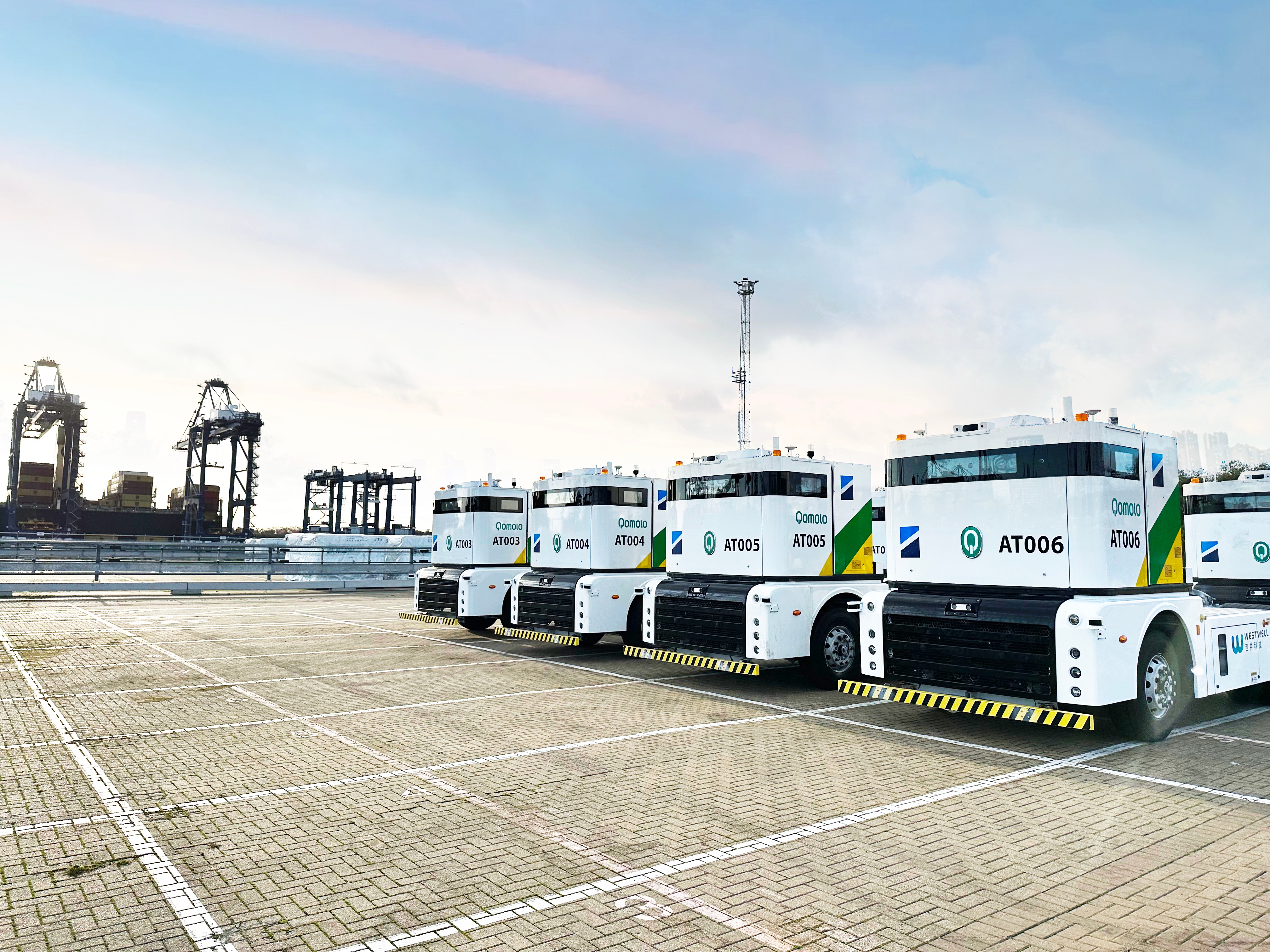
At Laem Chabang Port in Thailand, more than 730,000 TEUs had been processed as of October 2025, supported by fully deployed Westwell Q‑Truck autonomous container fleets that operate safely with real‑time digital twin coordination to improve scheduling and throughput. Meanwhile, Europe’s largest container port — the Port of Felixstowe — has expanded its autonomous truck fleet with 34 additional units operating in mixed traffic at Trinity Terminal, supported by a private 5G network and advanced sensing technologies, reinforcing how digital integration enhances efficiency and reliability across global ports.
The global trends in automation, digital integration, and sustainability are not uniform—regional differences in infrastructure, regulatory environment, and market demand create distinct dynamics in port development. Understanding these nuances is essential for logistics providers, shippers, and investors seeking to leverage smart ports and optimize supply chain efficiency across continents.
Jebel Ali Port (UAE) and King Abdullah Port (Saudi Arabia) occupy key Asia–Europe shipping routes, leveraging free zone incentives to strengthen transshipment and regional trade. Jebel Ali handled 15.5 million TEUs in 2024, attracting thousands of enterprises through JAFZA and reinforcing its hub function. King Abdullah Port is also expanding capacity and developing logistics parks to boost throughput and storage efficiency.
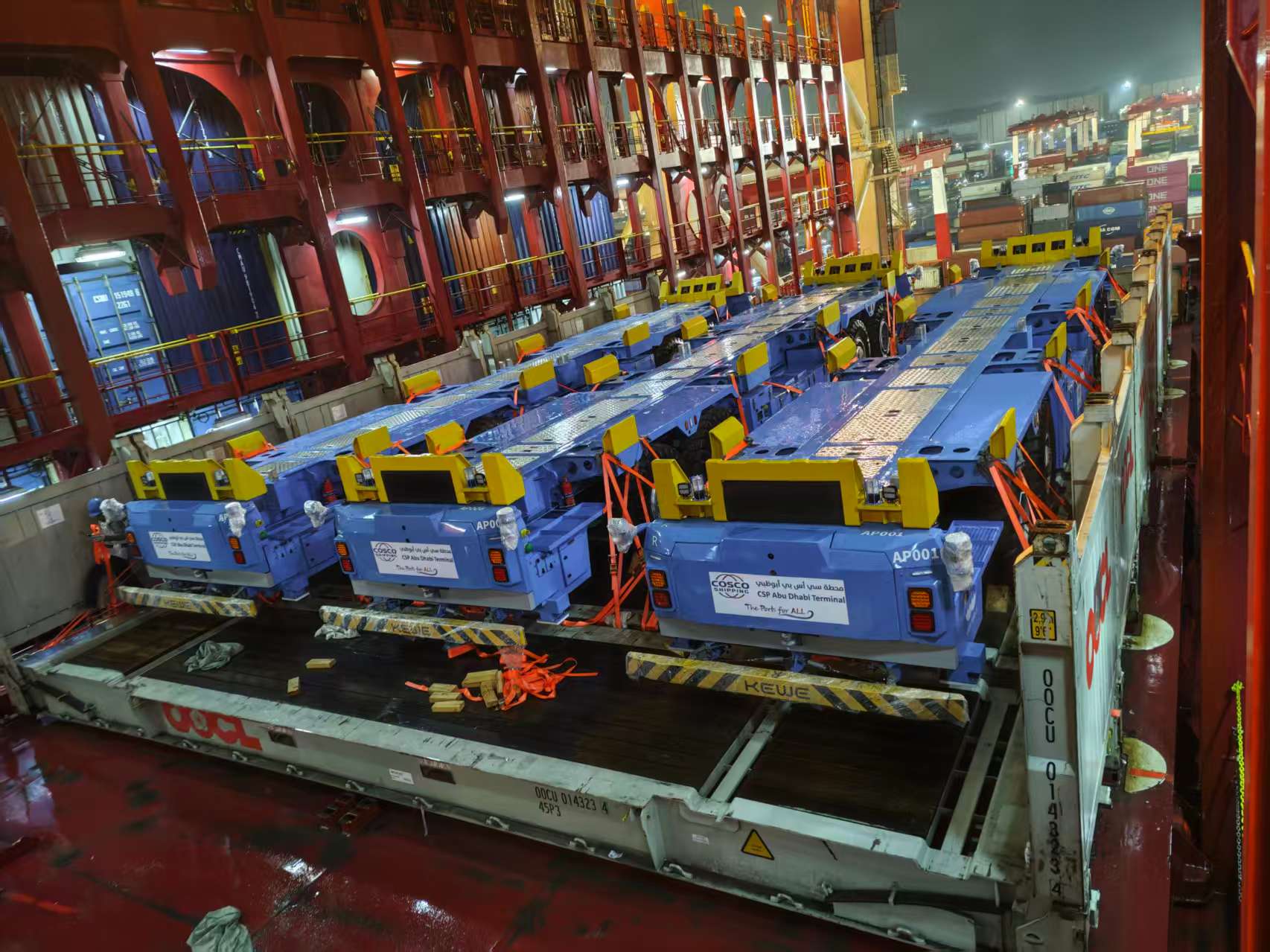
At CSP Abu Dhabi Terminal, Westwell’s autonomous Q‑Trucks, integrated with WellCrane solution for container handling and IGV (Q‑Chassis) for mixed traffic operations, moved over 156,000 TEUs (Jan–Sep 2025). These systems improved loading/unloading speed, operational accuracy, and energy efficiency, demonstrating how smart port technologies enhance supply chain efficiency and scalable port operations in the Middle East.
Europe's port operations are undergoing significant transformation driven by stringent environmental policies and the region's push toward digital integration. Key regulations like the European Green Deal and FuelEU Maritime aim to drastically reduce emissions and set ambitious targets for zero-emission vessels and port operations by 2030. Ports such as Rotterdam, Antwerp, and Hamburg are at the forefront of this change, investing heavily in shore power, electrification, and carbon-neutral terminal technologies to meet these goals. By 2026, the EU plans to expand the green port initiative, encouraging ports to deploy alternative energy sources like hydrogen and renewable energy systems to power terminal operations, significantly reducing their carbon footprint.
These regulatory pressures are catalyzing digitalization across European ports. The integration of blockchain and IoT technologies into port operations ensures smoother customs procedures, faster cargo tracking, and intermodal logistics optimization. Rotterdam, for example, is deploying smart port platforms that enable real-time data exchange between ships, terminals, and logistics providers, boosting supply chain efficiency and operational flexibility. This ongoing shift to digitalization is expected to enhance port connectivity and streamline operations across Europe by 2026.
Southeast Asia’s ports are expanding capacity and enhancing operational efficiency to support booming regional trade and e‑commerce growth. Singapore’s Tuas Megaport is being developed into a fully automated global hub — with real‑time digital data platforms like the Singapore Maritime Data Hub and digital bunkering platforms designed to streamline processes and improve operational reliability. Singapore plans to be the world’s first port with fully implemented digital bunkering by 2025, saving significant processing time and boosting throughput speed.
In Malaysia, major ports including Port Klang are advancing digitalisation and automation initiatives — such as video‑analytic quay crane systems and remote check technologies — to enhance accuracy, accountability, and container processing speed while supporting broader logistics performance goals.
Looking toward 2026, Southeast Asian ports are expected to accelerate adoption of AI, IoT, and predictive analytics to enhance supply chain efficiency and operational visibility. Port operators are prioritizing automation and smart port platforms while carefully managing mixed traffic with manned equipment, optimizing intermodal connections with rail, road, and feeder services, and handling the growing demand for small-batch, high-frequency shipments driven by e-commerce. Increased use of digital twins, predictive scheduling, and IoT-enabled maintenance will improve resource allocation, reduce downtime, and boost throughput, while investments are also aligned with green port initiatives to improve energy efficiency and sustainability across regional logistics hubs.
In East Asia, major hubs continue to evolve through automation, digitalization, and strategic expansions. Busan Port in South Korea — one of the world’s busiest container ports handling over 22 million TEUs — is expanding capacity and smart capabilities with plans to transform into a mega‑hub under the national Global Hub Port Construction Strategy, including the development of Jinhae New Port with integrated control systems and digital twin infrastructure for advanced cargo handling.
Automation and AI are also gaining traction. Busan is partnering with Hyundai Motor to accelerate implementation of AI‑based smart port technologies, including robotics and autonomous planning systems to improve operational efficiency and global competitiveness. In China, ports are deepening the integration of 5G, AI, IoT, and automation, with Tianjin using a high share of automated equipment and Rizhao expanding automated operations, reflecting broader national efforts toward intelligent port construction.
By 2026, East Asian ports are expected to push further into smart port platforms, leveraging AI, digital twins, and integrated data systems to boost supply chain efficiency, agility, and resilience. This includes tighter coordination across intermodal logistics, enhanced predictive scheduling, and stronger integration with regional hinterland transport links, ensuring East Asia remains a critical node in global maritime trade networks.
As we look ahead to 2026, the evolution of global ports is being shaped by distinct regional priorities and challenges. In the Middle East, ports like Jebel Ali and King Abdullah Port are positioning themselves as key logistics hubs through automation and free zone policies, with a heavy focus on intermodal efficiency and green logistics. The Europe region, with its tight environmental regulations and growing emphasis on sustainability, is pushing for greater decarbonization and digital integration, setting a global standard for eco‑friendly port operations. Meanwhile, Southeast Asia’s booming e-commerce market is driving ports like Singapore and Port Klang to invest in automation and intelligent intermodal connectivity to handle high-frequency, small-batch shipments.
Each region’s strategy reveals a clear 2026 trend: ports will continue to embrace digitalization, automation, and sustainability as core pillars of growth. This will lead to the emergence of smart ports with enhanced operational efficiency, real-time data integration, and green transformation efforts. As a result, global trade will become more interconnected, responsive, and resilient, with ports at the forefront of driving supply chain competitiveness on a regional and global scale.